What should a shop do when a customer forgets their stored tire set?
How to handle abandoned or forgotten tire sets fairly while protecting your space and your policy.
Reach out through every contact you have before taking any further step, and document each attempt. Follow a written storage policy that states how long you hold forgotten sets and what happens next. Clear terms agreed at drop-off protect your space and prevent disputes if a set is truly abandoned.
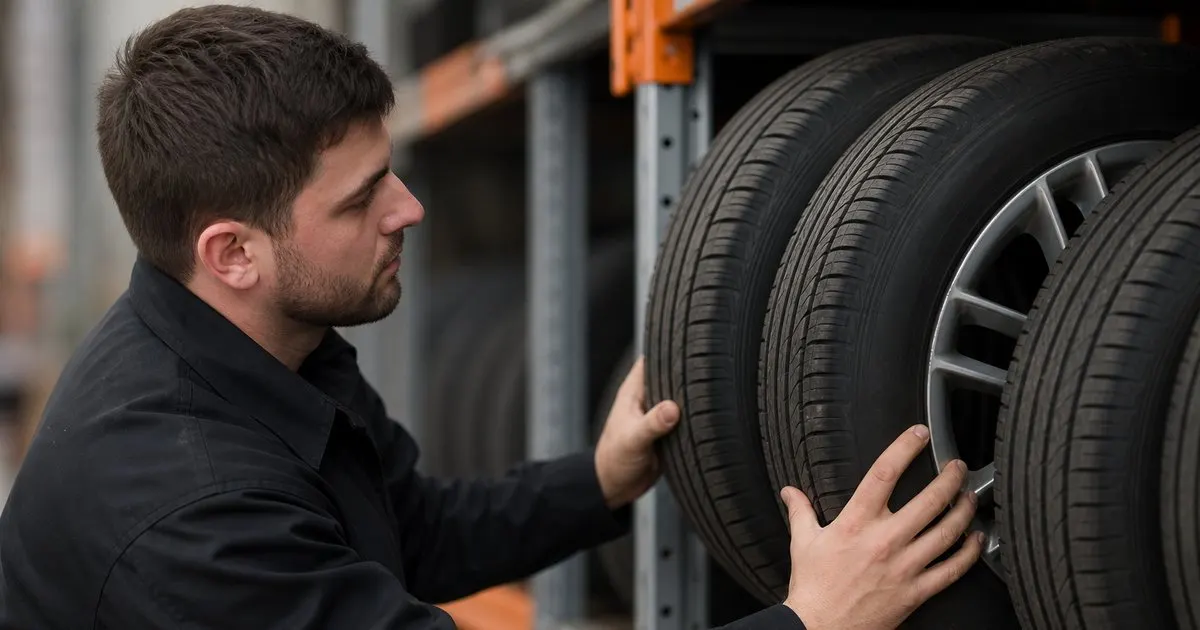
Reach out before assuming abandonment
A set that misses its expected swap is not automatically abandoned. Life gets busy, cars get sold, and customers forget. The first step is to reach out, a call or message reminding them their tires are still stored and asking their plans. Most forgotten sets are resolved with a simple nudge. Related: What is the best way to remind customers about a seasonal tire changeover?
Keeping a record of these contacts matters. Documenting that you reached out, and when, protects you later if the set truly is abandoned and you need to show you made a good-faith effort to return it.
Keep reading: How do you track where every customer's stored tires sit on the rack?, What is the best way to remind customers about a seasonal tire changeover?, Why should a shop record tread depth history for every stored tire set?. See how TireKeepr helps you tire storage and seasonal changeover tracking.
Have a written storage policy
The way to handle forgotten sets fairly is to decide the rules in advance and put them in the storage agreement the customer signs. Spell out how long you hold tires, what happens when storage fees go unpaid, and at what point unclaimed tires may be disposed of. A clear policy removes the guesswork and the awkwardness. Related: How do you track where every customer's stored tires sit on the rack?
This policy is your protection. When a customer signed an agreement stating tires unclaimed after a certain period and unpaid fees may be forfeited, you have a footing to act, rather than storing abandoned tires indefinitely at your own expense.
Keep charging and tracking storage
A forgotten set is still occupying paid space, and the storage clock should keep running per your agreement. Continuing to bill, and tracking the growing unpaid balance, both compensates you and creates the record that eventually justifies acting on the set under your policy. Related: Why should a shop record tread depth history for every stored tire set?
This is also fair warning to the customer. An accruing storage bill they eventually see is a strong prompt to come deal with their tires, and it documents the cost you carried while they were gone.
Know your legal footing before disposing
Before disposing of or selling forgotten tires, understand that abandoned-property rules vary by state and a signed agreement does not override every legal requirement. When a set has clearly been abandoned and the balance is significant, confirm the proper process for your jurisdiction rather than just tossing the tires.
TireKeepr keeps each set tied to its owner with its storage timeline and billing status, so you can see exactly how long a set has sat, what is owed, and your contact history, giving you the record you need to handle a forgotten set by your policy. Confirm your state's requirements before final disposal. Related: How do you bill customers fairly for tire storage across a long season?
- Contact the customer before assuming abandonment.
- Put holding and disposal rules in a signed policy.
- Keep billing and tracking the occupied space.
- Confirm state abandoned-property rules before disposing.

Julien Jimenez
Julien Jimenez is an independent software builder based in Paris. He designs, ships, and operates focused SaaS products for small businesses and independent professionals. Read the full author page.
Frequently asked questions
Can you dispose of tires a customer never picks up?
Only after following your written policy and, where required, applicable local laws on abandoned property. Document your contact attempts and the holding period first, since disposing of tires too soon can expose the shop to a claim.
How do you prevent forgotten sets in the first place?
Set a clear storage term at drop-off, send changeover reminders, and state in writing what happens after the season ends. Most forgotten sets trace back to weak communication rather than a truly absent customer.
Find Every Stored Set In Seconds
Tire storage and seasonal changeover tracking. TireKeepr is built to help you put this into practice.
Start free trialMore from the TireKeepr blog
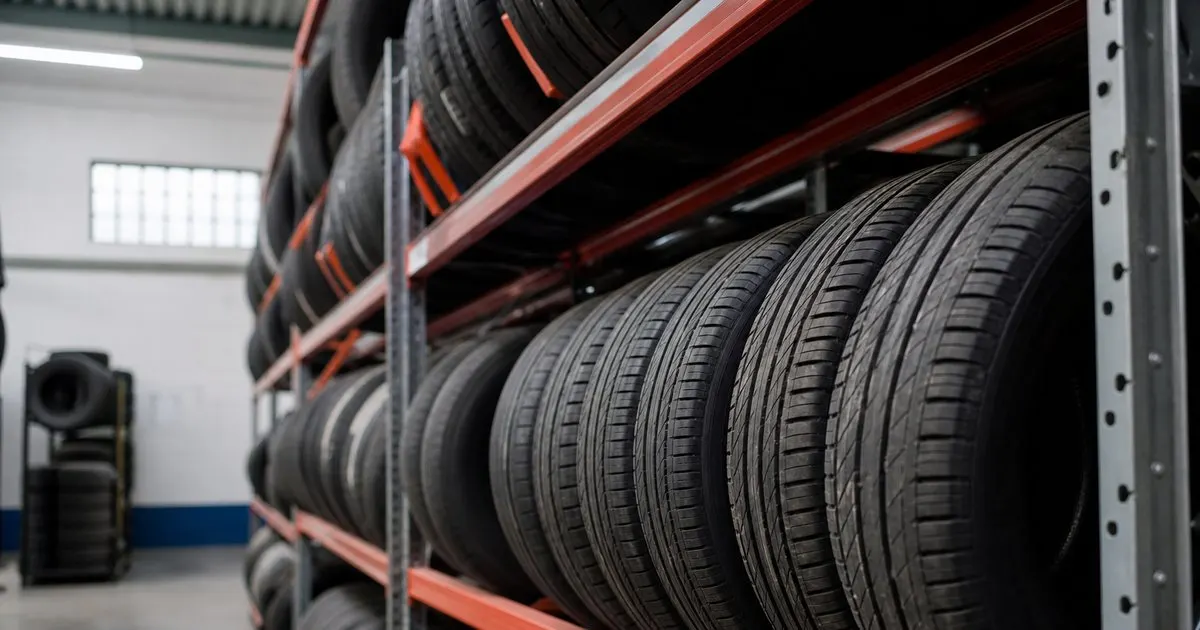
How do you track where every customer's stored tires sit on the rack?

What is the best way to remind customers about a seasonal tire changeover?
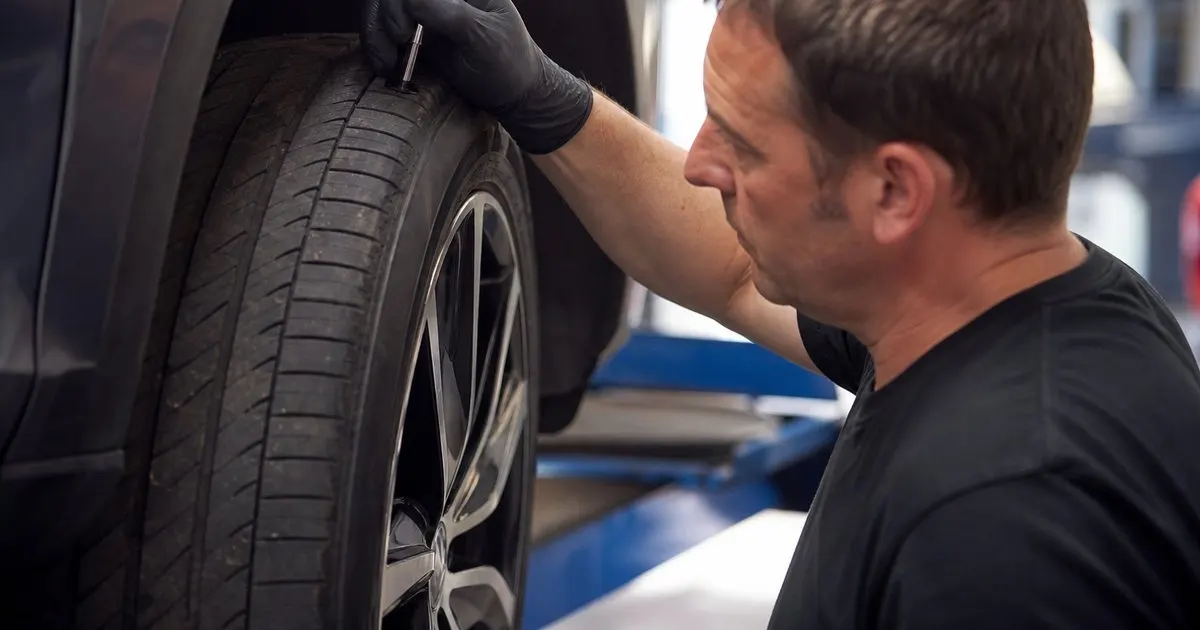
Why should a shop record tread depth history for every stored tire set?
Get the TireKeepr playbook
Practical guides on tire storage software, straight to your inbox as we publish them. No spam, unsubscribe any time.