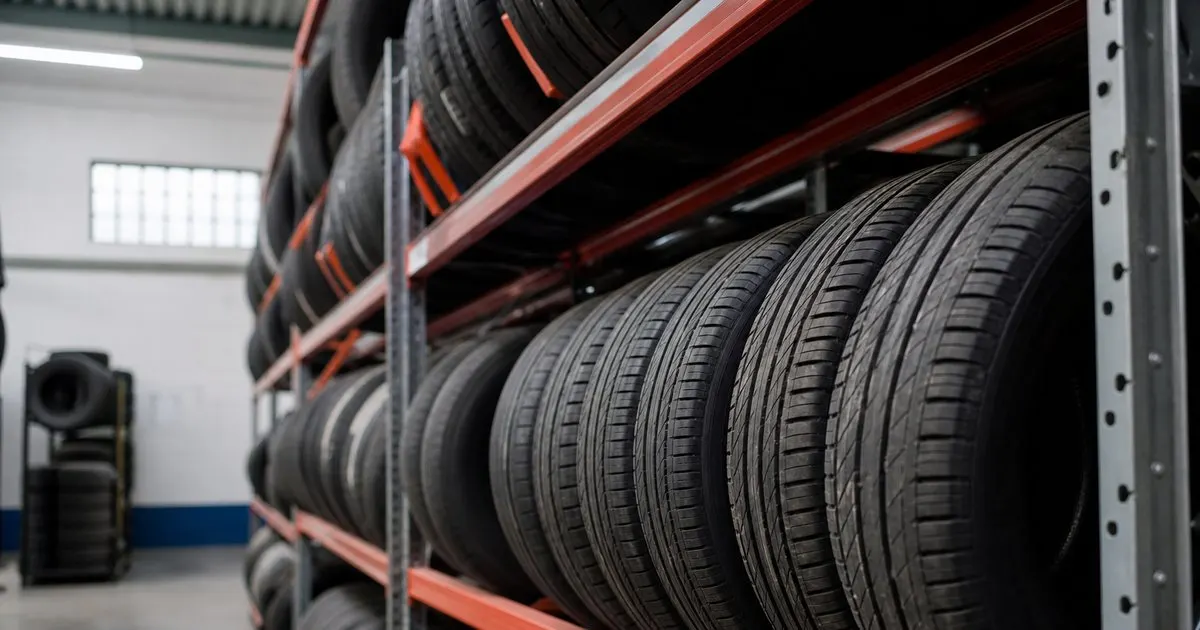
Tire Storage Software
How do you track where every customer's stored tires sit on the rack?
A reliable system for tagging and locating stored tire sets so nothing gets lost in the back.
Practical, honest advice from the team behind TireKeepr, written to help you do this well.
A reliable system for tagging and locating stored tire sets so nothing gets lost in the back.

How to time and send changeover reminders that fill your bays and keep customers safe and loyal.
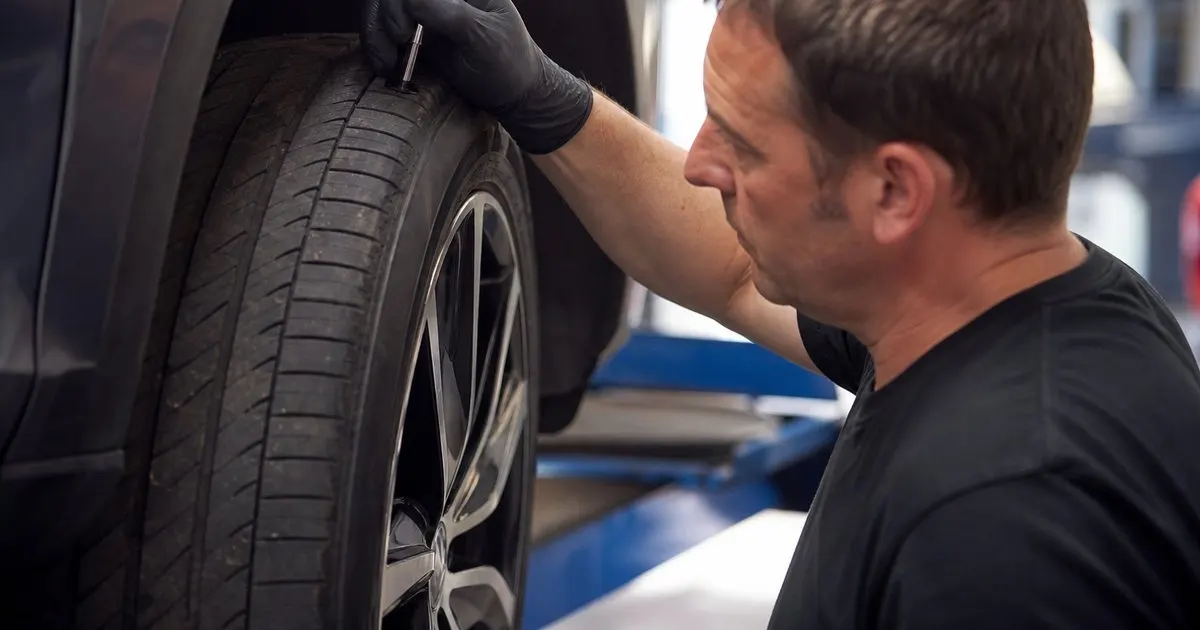
The value of tracking tread over time for safety, sales, and trust with tire storage customers.

How to advise customers on timing the spring changeover using temperature rather than the calendar.
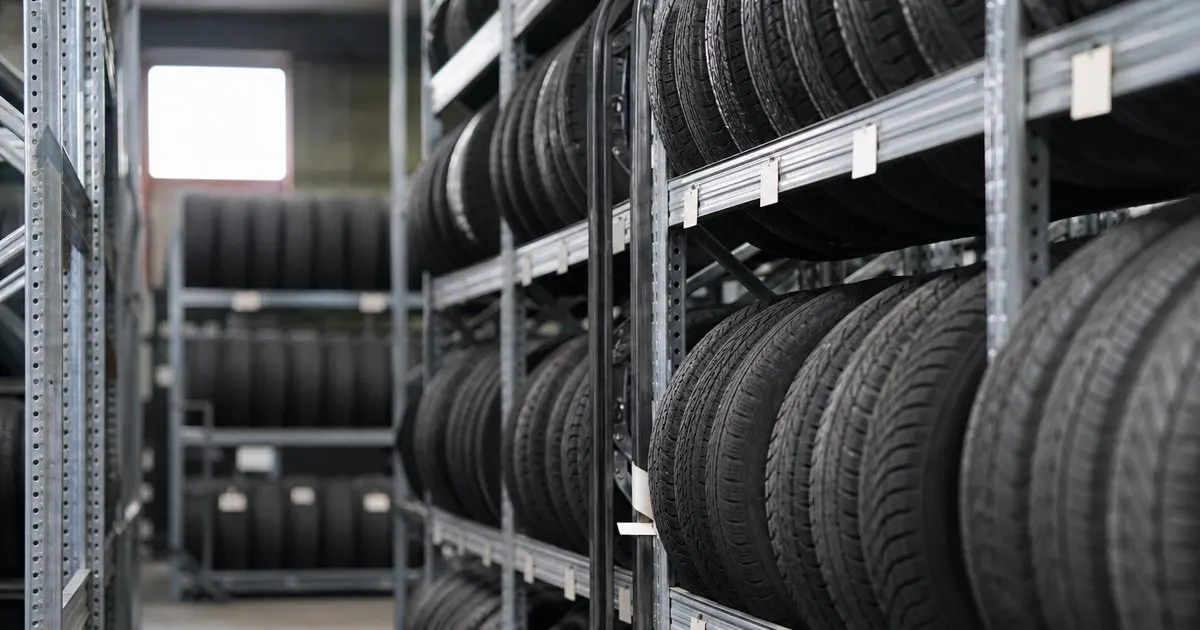
How to lay out and label storage racks so any tech can find and refile sets quickly.

A grounded way to price tire storage by your space, handling, and the value to the customer.

How to handle abandoned or forgotten tire sets fairly while protecting your space and your policy.

Approaches to structuring and tracking storage billing so it is fair, clear, and never missed.

The records worth capturing at each changeover so you protect the customer, the tires, and the shop.

A drop-off record that takes a few minutes protects both shop and customer for the whole season. Here is what to capture, in what order, and how to keep it consistent across staff.

Rubber ages faster in heat, sunlight, and ozone, and tires can develop flat spots when left loaded. Here is how to set up a storage room that returns tires in the shape they arrived.

Storage programs fail on space before they fail on demand. A method for estimating sets, sizing racks, and leaving room for the growth that a good program brings.
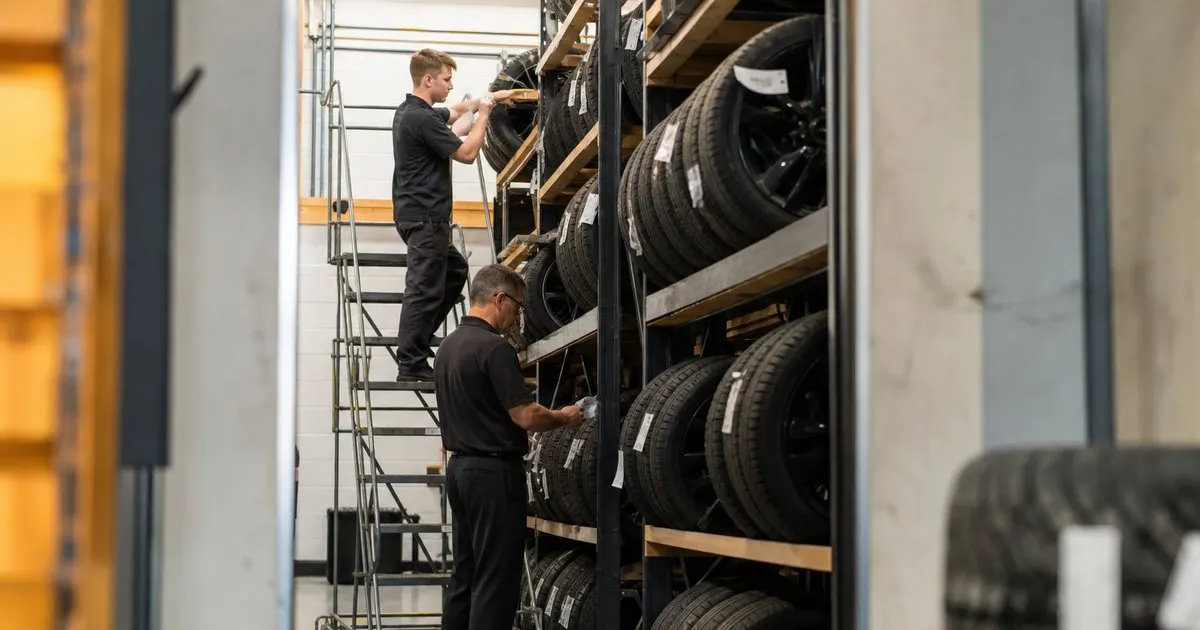
It will happen eventually, even in a careful shop. The way you search, communicate, and make it right decides whether you lose one set or one customer and their referrals.
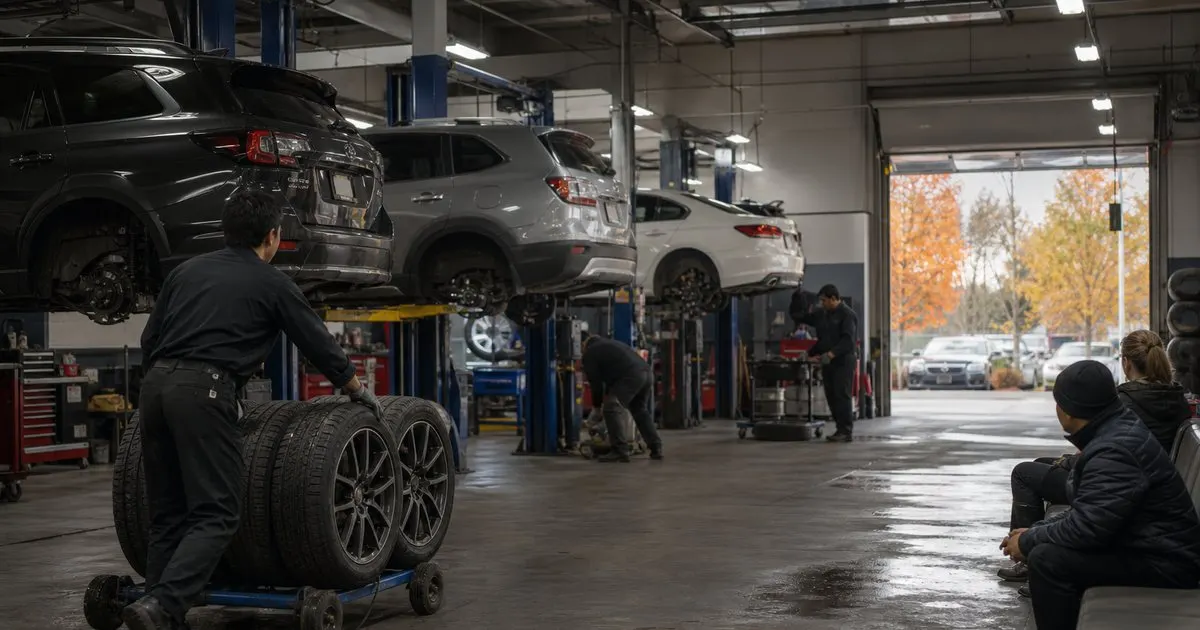
Two short windows a year decide whether your storage program feels effortless or chaotic. How to structure booking, staging, and bay time so the rush runs on rails.

The warning light that comes on a mile down the road is usually a records problem, not a parts problem. What to log about sensors at intake so every changeover ends with a clear dash.
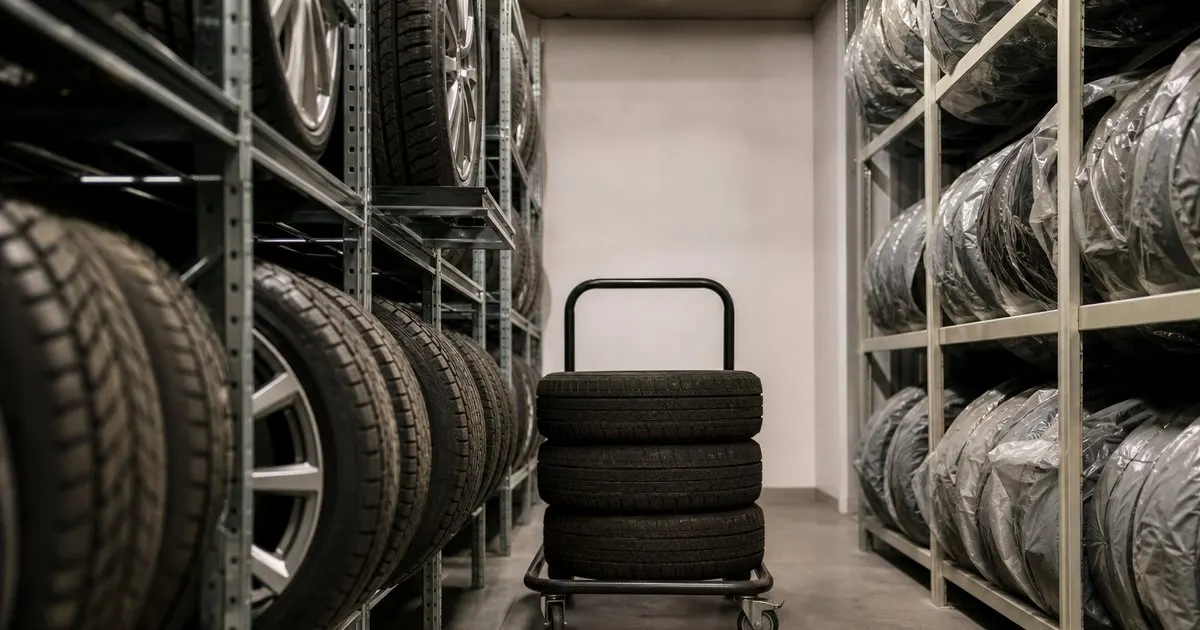
The two kinds of sets take different racks, different handling, different changeover slots, and often different prices. A practical split for shops that store both.

A one-page agreement prevents most of the awkward conversations a storage program can generate. The clauses that matter, in plain language, and the ones that should not be left out.

A spreadsheet runs a small storage program surprisingly well, until one day it does not. The signals that say the tool is now costing more than it saves, and how to switch without losing a season.

Storage intake mistakes stay hidden until changeover season, when they turn into lost sets and awkward phone calls. Here is the sequence we would teach a new hire, and how we would check their work.

A sold vehicle turns a stored tire set into a rack slot you are carrying for free. Here is how to catch it early, check fitment against the new car, and close the record cleanly.