Why should a shop record tread depth history for every stored tire set?
The value of tracking tread over time for safety, sales, and trust with tire storage customers.
Logging tread at each changeover shows real wear over time, so you can warn a customer before a set becomes unsafe and time replacement honestly. It supports safety, builds trust through transparency, and creates natural sales conversations backed by data rather than a guess when tires near the end of their life.
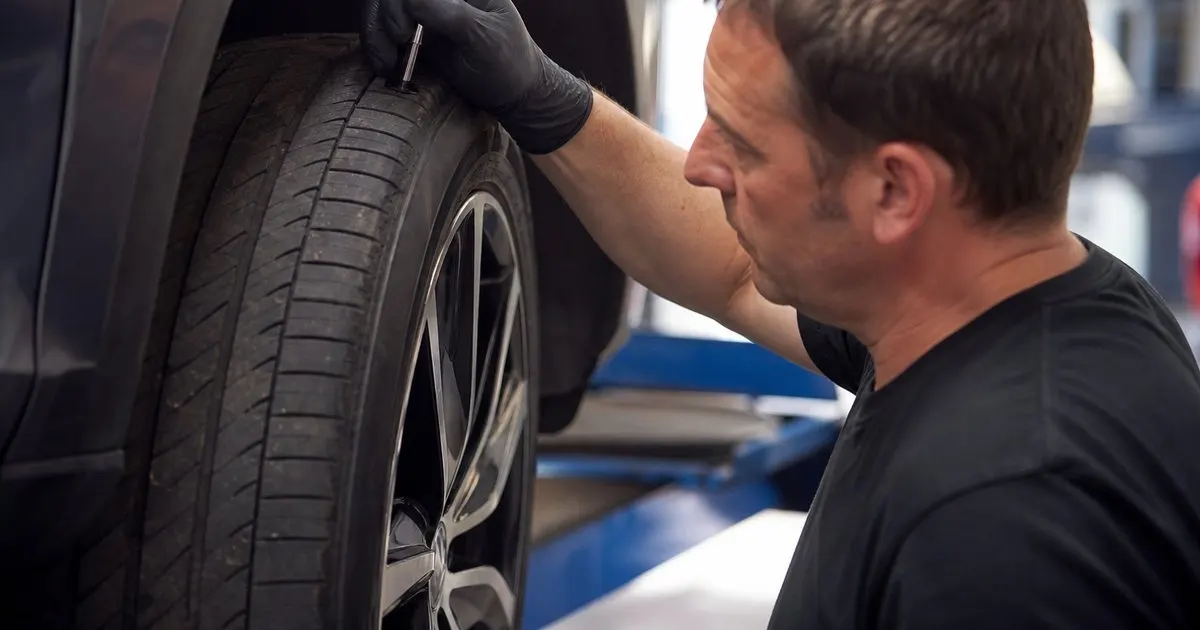
Track wear over the life of the set
A single tread reading is a snapshot, but a history tells the story of how a set is wearing. Recording tread at each changeover lets you see the rate of wear and project how many seasons a set has left, which is far more useful than eyeballing it once and forgetting.
This history also catches uneven wear early. If one tire is wearing faster than the others across readings, that pattern points to alignment or inflation issues the customer needs to address, and you caught it because you tracked it. Related: What is the best way to remind customers about a seasonal tire changeover?
Keep reading: How do you track where every customer's stored tires sit on the rack?, What is the best way to remind customers about a seasonal tire changeover?, When should you swap from winter tires back to summer tires safely?. See how TireKeepr helps you tire storage and seasonal changeover tracking.
Support honest, timely sales
Tread history turns the replacement conversation from a hard sell into an honest heads-up. When you can show a customer their tread has dropped over the last two seasons and is nearing the safe limit, the recommendation is credible and welcome rather than suspicious.
This timing benefits everyone. The customer avoids being caught with worn tires in bad weather, and you make the sale as a trusted advisor with the data to back it, not as a shop pushing tires the customer doubts they need. Related: When should you swap from winter tires back to summer tires safely?
Build trust and defend against disputes
Recording tread at drop-off and pickup protects both sides. If a customer later claims their tires were nearly new when stored, your reading settles it, and if they were genuinely low, the record shows you flagged it. Documentation keeps these conversations factual. Related: How do you track where every customer's stored tires sit on the rack?
That transparency is exactly what earns repeat storage business. A shop that measures and records, and shows the customer the numbers, feels professional and trustworthy in a way that a shop guessing from memory never can. Related: How much should a tire shop charge for seasonal tire storage per season?
Keep the readings with the set
Tread readings are only useful if they live with the set and persist across seasons. A number scribbled on a work order that gets tossed helps no one next spring. The history has to accumulate on the set so each new reading joins the ones before it.
TireKeepr records tread depth at each visit and keeps it on the set's profile, so you build a real wear history you can show the customer, time replacements honestly, and settle any question about the tires with data instead of memory.
- Track tread over time to project remaining life.
- Use the history for honest, timely replacement advice.
- Documented readings settle condition disputes.
- Keep readings on the set so the history accumulates.

Julien Jimenez
Julien Jimenez is an independent software builder based in Paris. He designs, ships, and operates focused SaaS products for small businesses and independent professionals. Read the full author page.
Frequently asked questions
How does tread history help sell new tires?
It replaces guesswork with evidence. When you can show a customer their tread has dropped measurably over two seasons, the replacement conversation feels honest and data-driven rather than like a pressured upsell.
What tread depth signals it is time to replace tires?
Tires are legally worn out at 2/32 of an inch of remaining tread, and traction, especially in rain and snow, degrades well before that. Tracking the trend lets you advise replacement before a set reaches the unsafe range.
Find Every Stored Set In Seconds
Tire storage and seasonal changeover tracking. TireKeepr is built to help you put this into practice.
Start free trialMore from the TireKeepr blog
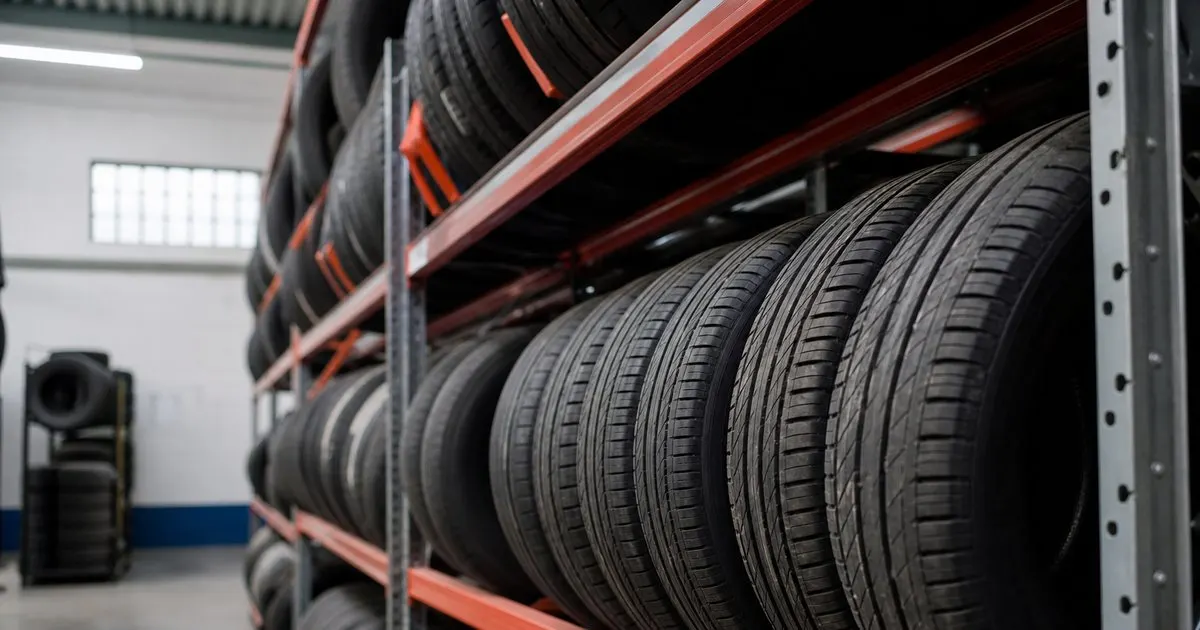
How do you track where every customer's stored tires sit on the rack?
What is the best way to remind customers about a seasonal tire changeover?
When should you swap from winter tires back to summer tires safely?
Get the TireKeepr playbook
Practical guides on tire storage software, straight to your inbox as we publish them. No spam, unsubscribe any time.