When should you swap from winter tires back to summer tires safely?
How to advise customers on timing the spring changeover using temperature rather than the calendar.
Advise customers to switch by temperature, not the calendar, once daytime highs stay consistently around 45 degrees Fahrenheit or above. Winter rubber wears fast and handles poorly in warm weather, while summer tires grip better once it is reliably warm. Waiting for steady warmth avoids swapping too early during a late cold snap.
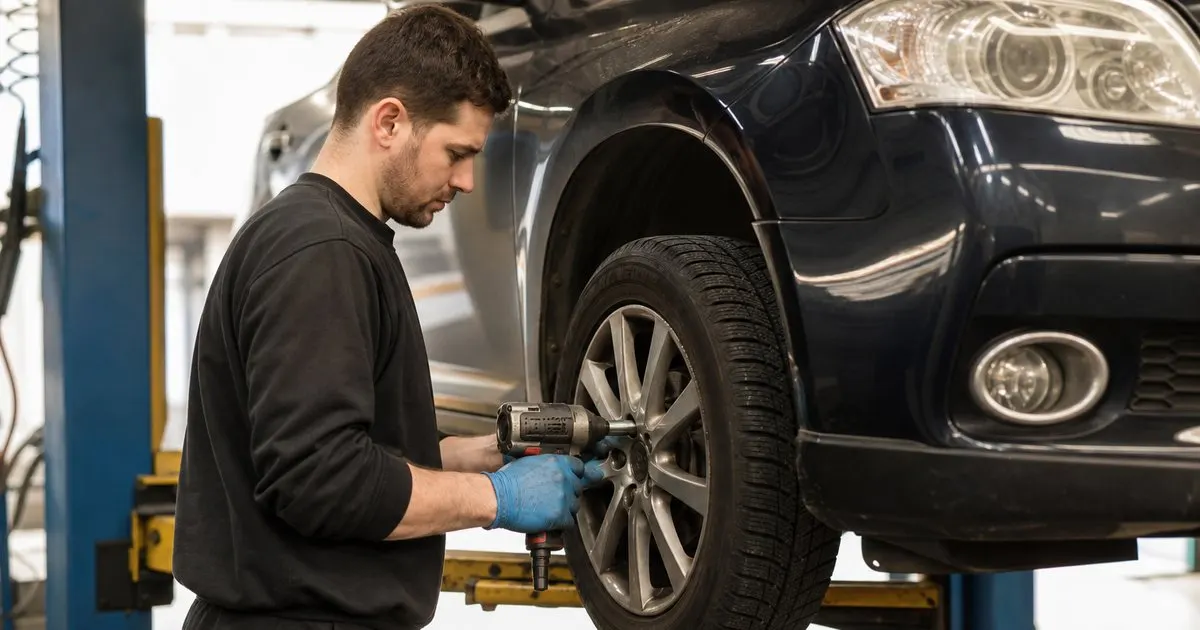
Watch temperature, not the calendar
The right time to swap off winter tires is driven by sustained temperature, not a fixed date. Winter tire rubber is designed to stay flexible in the cold, and it wears faster and handles worse once temperatures climb. The common guidance is to switch back once daytime temperatures are consistently above the range where winter compounds make sense. Related: How do you track where every customer's stored tires sit on the rack?
This is why a calendar date alone misleads. An early warm spring or a late cold snap can shift the right swap date by weeks, so advise customers to watch for a settled warm-up rather than circling a day on the calendar.
Keep reading: How do you track where every customer's stored tires sit on the rack?, What is the best way to remind customers about a seasonal tire changeover?, Why should a shop record tread depth history for every stored tire set?. See how TireKeepr helps you tire storage and seasonal changeover tracking.
Do not switch too early
Swapping to summer tires while hard frosts still linger is a safety risk, because summer compounds stiffen and lose grip in the cold, especially on ice. Advise customers to wait until the threat of freezing conditions has genuinely passed for their region rather than jumping the gun on the first warm day. Related: What should a shop do when a customer forgets their stored tire set?
A single warm afternoon is not spring. The safe move is to wait for overnight lows to stay above freezing consistently, so an early swap does not leave the customer on the wrong tires during a late cold morning.
Do not leave winters on too long
The opposite mistake is dragging winter tires deep into warm weather. Winter tires wear rapidly on hot pavement and give up grip and braking performance compared to summer or all-season tires once it is warm. Leaving them on all summer wastes the expensive winter set and hurts handling.
This is a real cost argument for the customer. Prompt spring changeover preserves the life of their winter investment, which is a good reason to book the swap rather than putting it off. Related: What is the best way to remind customers about a seasonal tire changeover?
Prompt the swap at the right time
The practical challenge is reaching customers with the reminder when the season actually turns in your area. A reminder that lands as the region warms up gets the swap booked at the right time and keeps customers on the correct tires for conditions.
TireKeepr tracks who has winter sets in storage and lets you send changeover reminders as the season turns, so customers swap back at the right time for safety and to protect the life of their tires. Related: How much should a tire shop charge for seasonal tire storage per season?
- Time the swap to sustained temperature, not a date.
- Do not switch to summer tires while frosts remain.
- Do not run winter tires into warm weather.
- Send reminders timed to your region's warm-up.

Julien Jimenez
Julien Jimenez is an independent software builder based in Paris. He designs, ships, and operates focused SaaS products for small businesses and independent professionals. Read the full author page.
Frequently asked questions
Why go by temperature instead of a fixed date?
Weather varies year to year, so a calendar date can leave winter tires on during a warm spell or summer tires on during a late freeze. The roughly 45 degree Fahrenheit threshold tracks how each rubber compound actually performs.
What happens if you run winter tires all summer?
The soft winter compound wears out quickly in heat and delivers longer stopping distances on warm, dry roads. Swapping to summer or all-season tires restores grip and makes the winter set last more seasons.
Find Every Stored Set In Seconds
Tire storage and seasonal changeover tracking. TireKeepr is built to help you put this into practice.
Start free trialMore from the TireKeepr blog
How do you track where every customer's stored tires sit on the rack?

What is the best way to remind customers about a seasonal tire changeover?
Why should a shop record tread depth history for every stored tire set?
Get the TireKeepr playbook
Practical guides on tire storage software, straight to your inbox as we publish them. No spam, unsubscribe any time.