What should a tire storage agreement say before a customer signs it?
A one-page agreement prevents most of the awkward conversations a storage program can generate. The clauses that matter, in plain language, and the ones that should not be left out.

Why a short agreement beats a long one
The purpose of a storage agreement is to make sure the customer and the shop have the same picture of what happens over the season: what is being stored, what it costs, how long it stays, what happens if it is not collected, and what the shop is and is not responsible for. A single page that a customer will actually read does that job. A six-page document nobody reads only creates the illusion of agreement and tends to be discounted by anyone who later has to interpret it. Related: How do you track where every customer's stored tires sit on the rack?
Write it in plain language and in the order the customer will experience it: drop-off, the season, pickup, and what happens if pickup never comes. Have someone who is not in the business read it and point at anything they do not understand. Then, because rules on bailment, liability limits, and abandoned property vary by state, have an attorney in your state review the final wording. This article describes what to cover; it is not legal advice.
Keep reading: How do you track where every customer's stored tires sit on the rack?, What is the best way to remind customers about a seasonal tire changeover?, Why should a shop record tread depth history for every stored tire set?. See how TireKeepr helps you tire storage and seasonal changeover tracking.
Describing the set and the condition it arrived in
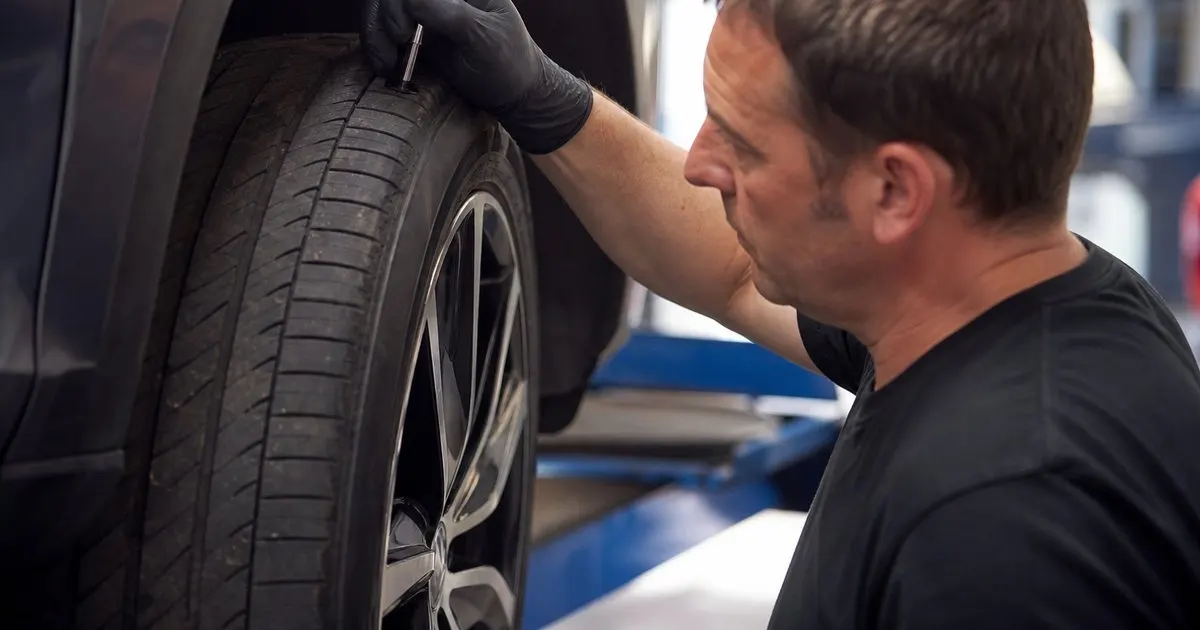
The agreement should reference the intake record for the specific set: number of tires, mounted or bare, size, DOT dates, tread depths, and noted damage, with the photos attached or referenced. This is the part that protects both sides, because it fixes the starting condition on a date. Include a line that the customer has reviewed and accepts the intake record, so the acknowledgment and the agreement are one thing. Related: Why should a shop record tread depth history for every stored tire set?
State plainly what the shop will do to care for the set: store it indoors, away from sunlight and chemicals, and in the position and condition described in the intake record. Say what the shop will not do, for example inspect the tires for defects beyond the intake check, or guarantee that an aged tire will be serviceable at pickup. Customers appreciate clarity here; it also frames the tread depth and age conversation at changeover as something they were told about in advance. Related: What is the best way to remind customers about a seasonal tire changeover?
Fees, term, pickup, and unclaimed sets
Set out the fee, what it covers, when it is due, and what happens if it is not paid. State the storage term and whether it renews automatically. Describe how pickup works: booking a changeover, notice required, and what identification or reference the customer needs to release the set. If a third party can collect on the customer's behalf, say how that is authorized, because a relative turning up to grab the tires will happen and should not be a judgment call at the counter. Related: When should you swap from winter tires back to summer tires safely?
The unclaimed set clause is the one shops most often leave out and most often need. Define when a set is considered unclaimed, how the shop will attempt to contact the customer and how many times, what continued storage will cost, and what the shop may do after a stated notice period. What you are permitted to do with abandoned property varies by state, so this is the clause an attorney should look at most closely. A fair, clearly stated process that you actually follow is far stronger than a harsh clause you never enforce.
Liability, insurance, and keeping the agreement current
Describe the shop's responsibility for loss or damage while the set is in its care, and any limit on that responsibility, in language a customer can understand. Note whether the shop carries insurance that may respond to loss, without promising what a policy will pay. Encourage customers to keep their own records of the set's value. Whatever limit you state, expect that a reasonable customer with a nearly new set will not accept a token amount, and price your limit and your care accordingly.
Keep the signed agreement with the set record so anyone at the desk can find it in seconds, and store it for as long as the customer is active. Review the wording once a year against what actually happened: disputes, unclaimed sets, questions at the counter. Update the agreement when you change fees or process, and have returning customers accept the current version at each intake. A living one-page document that matches how you operate will serve you far better than a polished one that has drifted from reality.
- One plain-language page that customers actually read beats a long document nobody does.
- Tie the agreement to the intake record so condition at drop-off is fixed and acknowledged.
- Spell out fees, term, pickup authorization, and a fair, enforced unclaimed set process.
- State liability and insurance honestly, keep it with the set record, and have a state attorney review it.

Julien Jimenez
Julien Jimenez is an independent software builder based in Paris. He designs, ships, and operates focused SaaS products for small businesses and independent professionals. Read the full author page.
Find Every Stored Set In Seconds
Tire storage and seasonal changeover tracking. TireKeepr is built to help you put this into practice.
Start free trialMore from the TireKeepr blog

How do you track where every customer's stored tires sit on the rack?

What is the best way to remind customers about a seasonal tire changeover?
Why should a shop record tread depth history for every stored tire set?
Get the TireKeepr playbook
Practical guides on tire storage software, straight to your inbox as we publish them. No spam, unsubscribe any time.