What is the best way to document tire condition at storage drop-off?
A drop-off record that takes a few minutes protects both shop and customer for the whole season. Here is what to capture, in what order, and how to keep it consistent across staff.

Why a consistent intake record matters more than a detailed one
Disputes about stored tires almost never come from the tires you photographed carefully. They come from the set that was checked in during a rush by a new hire who skipped half the steps. The value of intake documentation lies in every set being recorded the same way, so that when a customer says a wheel had no curb rash in April, you can pull the same six photos you have for every other set and settle it in a minute. Related: How do you track where every customer's stored tires sit on the rack?
That means the standard should be modest enough that it survives the busiest Saturday in November. Aim for a checklist that a trained tech can complete in three to five minutes per set, including bagging and tagging. A gorgeous twenty-photo record for the first fifty sets and nothing for the next two hundred is worse than a plain six-photo record for all of them. Consistency is what turns a pile of photos into evidence.
Keep reading: How do you track where every customer's stored tires sit on the rack?, What is the best way to remind customers about a seasonal tire changeover?, Why should a shop record tread depth history for every stored tire set?. See how TireKeepr helps you tire storage and seasonal changeover tracking.
The minimum photo set for every stored tire or wheel
For each tire, capture one straight-on shot of the tread with a depth gauge visible in a center groove, one shot of the outer sidewall showing the full DOT code, and one of the inner sidewall. If the tire is mounted, add one photo of the wheel face and one of the valve stem and sensor area. Shoot in the same bay under the same lights so photos are comparable season to season, and keep the tire on a low cart rather than the floor so you are not photographing shadows.
The DOT code shot does double duty. The last four digits give the week and year of manufacture, which lets you flag aging sets before they become a safety conversation at changeover time, and it ties the photo to that specific tire if two customers own the same size and brand. Where wheels have locking lug nuts, photograph the key in the customer's hand or note that it stays with the vehicle. It is a frequent point of confusion months later. Related: What is the best way to remind customers about a seasonal tire changeover?
What to write down alongside the photos
Photos show condition, but a few structured fields make the record searchable. Record tread depth in 32nds for each tire in at least two grooves, note any visible repairs or plugs, and mark sidewall cracking on a simple scale such as none, light, or heavy. Note whether the set includes TPMS sensors, wheel weights, center caps, and lug hardware. For mounted sets, record the inflation pressure at check-in so nobody later assumes a slow leak developed in your rack when the tire arrived low. Related: Why should a shop record tread depth history for every stored tire set?
Have the customer acknowledge the record before they leave. That does not require a signature on paper; a tablet tap or a reply to an emailed summary works. What matters is that the customer saw the noted damage on the day, not six months later. If your storage software attaches the photos and fields to the customer's set and rack location, the acknowledgment can be part of the same record, and the whole thing is one search away when a question comes up. Related: Which rack labeling system works best for a busy tire storage program?
Keeping the standard alive across staff and seasons
Print the checklist and post it at the intake bay, then audit it. Once a week during the rush, pull five random sets that were checked in and confirm every required photo and field exists. A missing DOT code shot or a blank tread reading gets corrected while the tires are still findable, and the tech who skipped it gets a quick reminder rather than a problem in spring.
Review the intake standard once a year, ideally in the quiet weeks after the spring changeover. Ask what disputes came up, what photos would have resolved them faster, and whether any step is being skipped because it is awkward. Trim what is not earning its time. A record set that has been refined over a few seasons will fit your shop far better than a template copied from anywhere, including from us.
- Consistency across every set matters more than exhaustive detail on a few.
- Six photos per tire or wheel, shot the same way every time, cover most disputes.
- Record tread depth, DOT date, pressure, and included hardware in searchable fields.
- Get customer acknowledgment on the day and audit intake records weekly during the rush.

Julien Jimenez
Julien Jimenez is an independent software builder based in Paris. He designs, ships, and operates focused SaaS products for small businesses and independent professionals. Read the full author page.
Find Every Stored Set In Seconds
Tire storage and seasonal changeover tracking. TireKeepr is built to help you put this into practice.
Start free trialMore from the TireKeepr blog
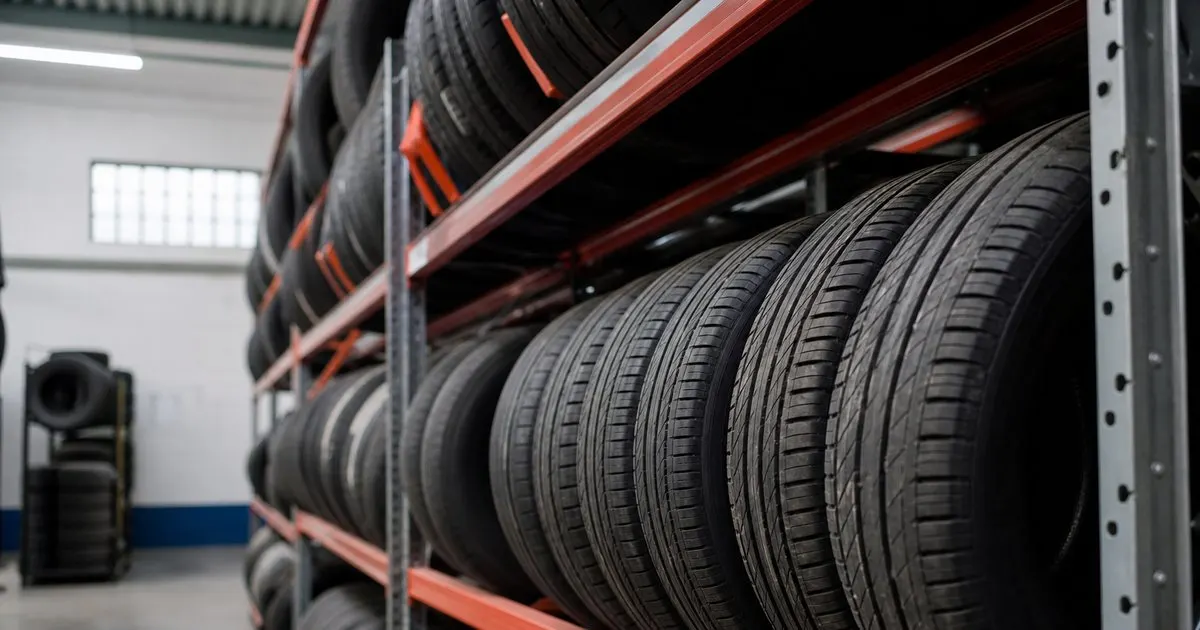
How do you track where every customer's stored tires sit on the rack?

What is the best way to remind customers about a seasonal tire changeover?
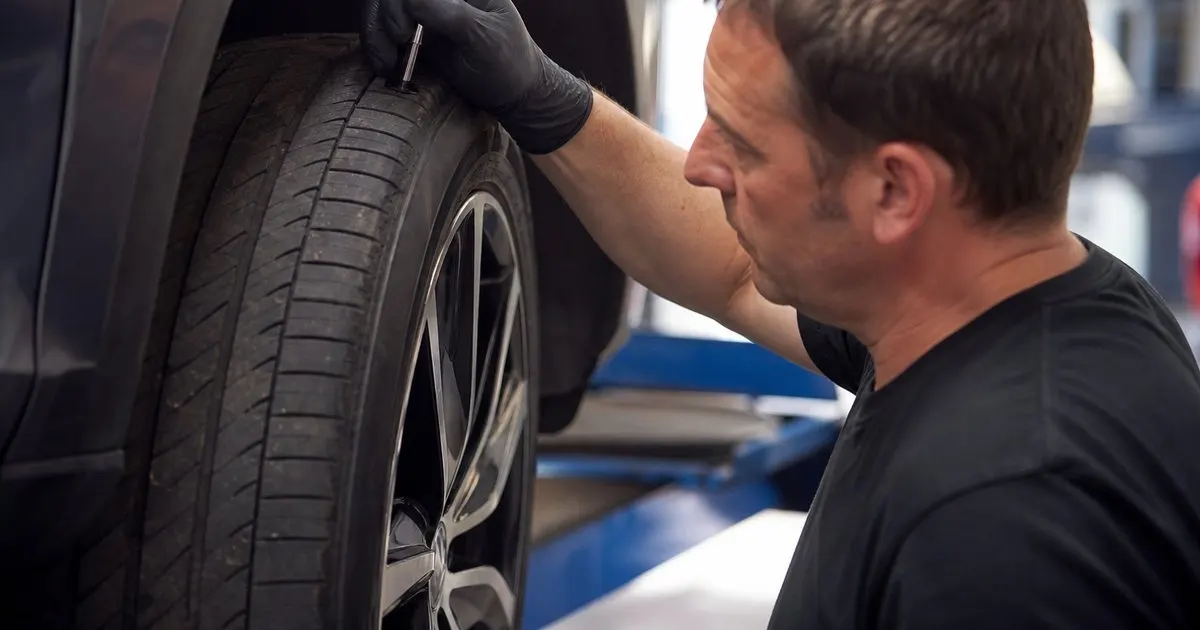
Why should a shop record tread depth history for every stored tire set?
Get the TireKeepr playbook
Practical guides on tire storage software, straight to your inbox as we publish them. No spam, unsubscribe any time.