How do you keep stored customer tires from cracking or flat-spotting during storage?
Rubber ages faster in heat, sunlight, and ozone, and tires can develop flat spots when left loaded. Here is how to set up a storage room that returns tires in the shape they arrived.
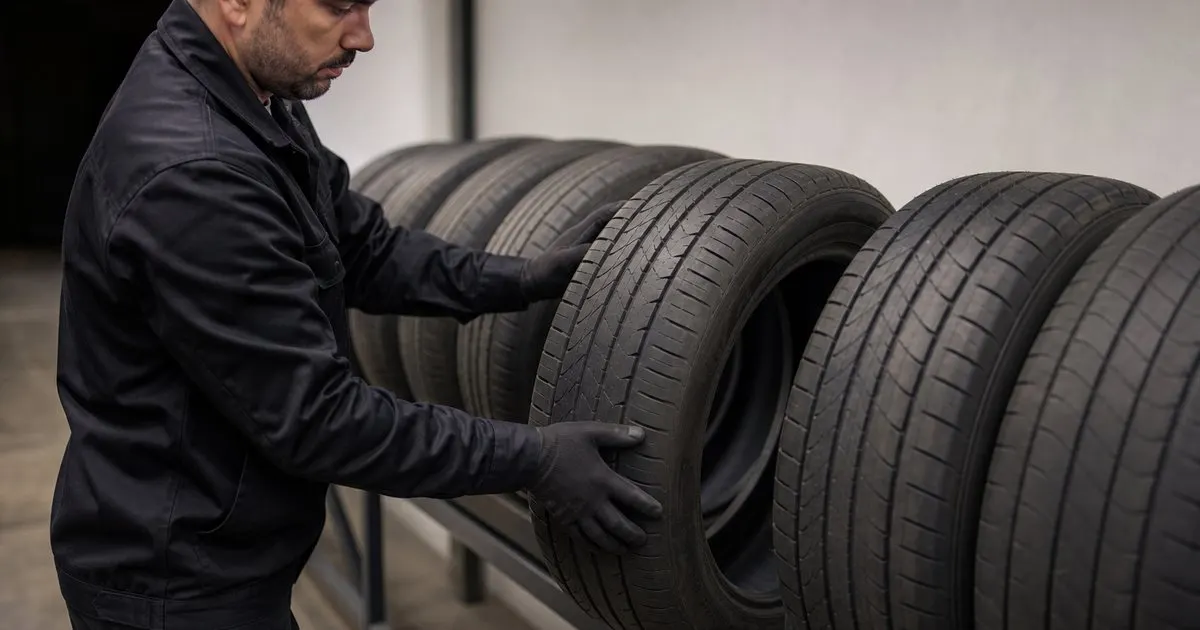
What actually ages a tire in storage
Tire rubber degrades through a few well understood paths: heat speeds up oxidation, ultraviolet light attacks the surface, and ozone causes the fine sidewall cracking most people call dry rot. A tire that sits in a hot upstairs room next to a window will look years older by spring than one kept in a cool, dark space, even though the calendar says the same thing. Rubber compounds include protective waxes and anti-ozonants that migrate to the surface, but they work best when the tire is not under constant attack.
Ozone sources inside a shop are easy to overlook. Electric motors, compressors, welders, furnaces, and generators can all produce it. Solvents, fuels, and oils also degrade rubber on contact and through fumes. If your storage area shares a wall with the compressor room or sits beside the welding bay, the tires nearest that side are getting a worse season than the ones by the door. Walk the room and note what runs nearby before you decide where the racks go.
Keep reading: How do you track where every customer's stored tires sit on the rack?, What is the best way to remind customers about a seasonal tire changeover?, Why should a shop record tread depth history for every stored tire set?. See how TireKeepr helps you tire storage and seasonal changeover tracking.
Setting up the room: temperature, light, and air
The target is cool, dry, dark, and boring. A room that stays roughly in the range a person finds comfortable, with no direct sunlight and modest humidity, is what tire makers generally describe in their own storage guidance. You do not need climate control to a precise degree; you need to avoid the extremes of a metal shipping container in August or a damp basement corner in March. Block windows or cover them, and keep the lights off when nobody is inside. Related: Which rack labeling system works best for a busy tire storage program?
Airflow matters less than most people assume, but standing water and condensation matter a lot. Keep tires off wet floors on pallets or racks, and watch for roof leaks and pipe sweat above the top shelf. If you bag bare tires, use opaque bags and squeeze out excess air; the goal is to limit oxygen and light exposure, not to seal the tire hermetically. Wipe tires down before storage so road salt and brake dust are not sitting on the rubber all season. Related: When should you swap from winter tires back to summer tires safely?
Bare tires versus mounted sets: position and pressure
Bare tires do best standing upright on a shelf, not stacked flat in a tall pile, and they benefit from a quarter turn every few weeks so no single spot carries the weight for the whole season. If you must stack bare tires, keep stacks short and put the largest tire at the bottom. Never hang bare tires from hooks through the bead; that deforms the bead area and can cause seating problems at mounting time. Related: Why should a shop record tread depth history for every stored tire set?
Mounted tires are a different case because the wheel carries the load. They can be stacked flat or hung by the wheel, and stacking is usually the most rack-efficient option for a storage program. Some tire makers suggest reducing inflation a little for storage while others say keep it at normal pressure; follow the guidance for the brands you store, record the pressure at intake, and never let a mounted tire sit flat. Flat-spotting is mainly a concern when a mounted tire sits under vehicle weight for months, so a stack of wheels on a rack is far less at risk than a car parked all winter. Related: How do you track where every customer's stored tires sit on the rack?
Building the checks into your storage program
Whatever conditions you decide on, they only hold if someone checks them. Put a simple thermometer and humidity gauge in the room and record readings at the intake and pickup rush points, plus a quick monthly walk. Make the rotation of bare tires a scheduled task tied to rack sections rather than a vague intention, so the person doing it can mark off which bays are done.
Record the condition at drop-off and again at pickup so you can see whether your room is doing its job. If sets are coming out with more sidewall cracking than they went in with, something in the room is wrong, and photo records let you spot the pattern before customers do. Storage software that tracks each set by rack position makes it straightforward to see whether the affected sets share a corner, a shelf height, or a wall, which is usually the fastest route to the cause.
- Heat, sunlight, ozone, and solvent fumes are the main enemies of stored rubber.
- Keep the room cool, dark, and dry, and keep racks away from motors and welding areas.
- Store bare tires upright and rotate them; stack or hang mounted sets and set pressure per the maker's guidance.
- Log room conditions and compare drop-off and pickup photos to catch problems early.

Julien Jimenez
Julien Jimenez is an independent software builder based in Paris. He designs, ships, and operates focused SaaS products for small businesses and independent professionals. Read the full author page.
Find Every Stored Set In Seconds
Tire storage and seasonal changeover tracking. TireKeepr is built to help you put this into practice.
Start free trialMore from the TireKeepr blog
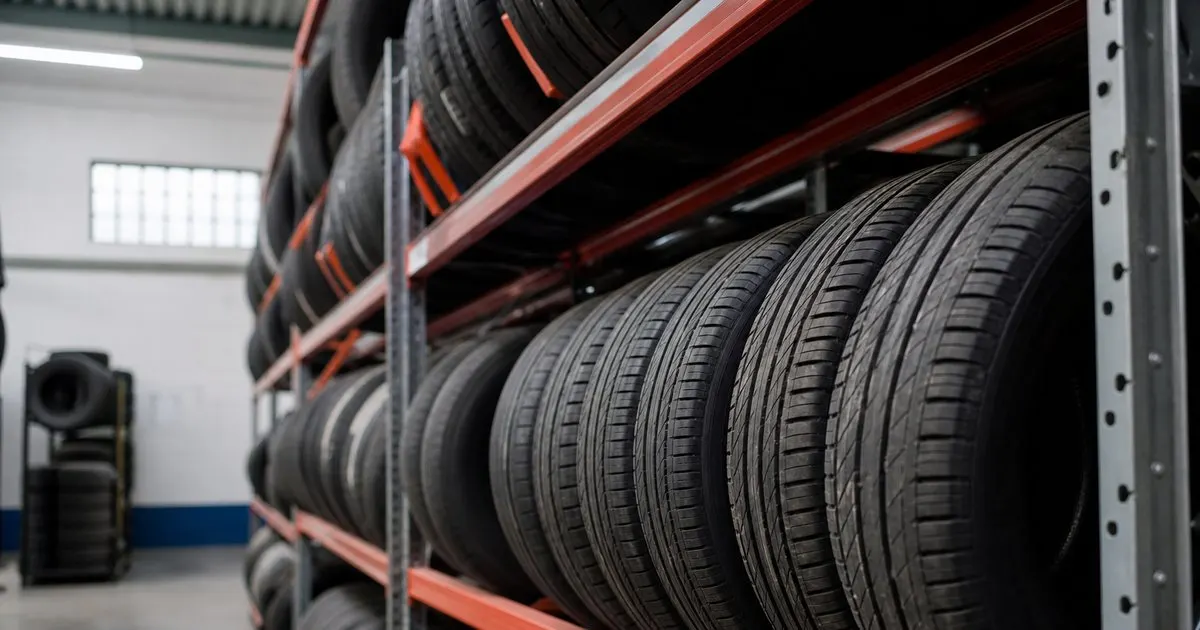
How do you track where every customer's stored tires sit on the rack?
What is the best way to remind customers about a seasonal tire changeover?
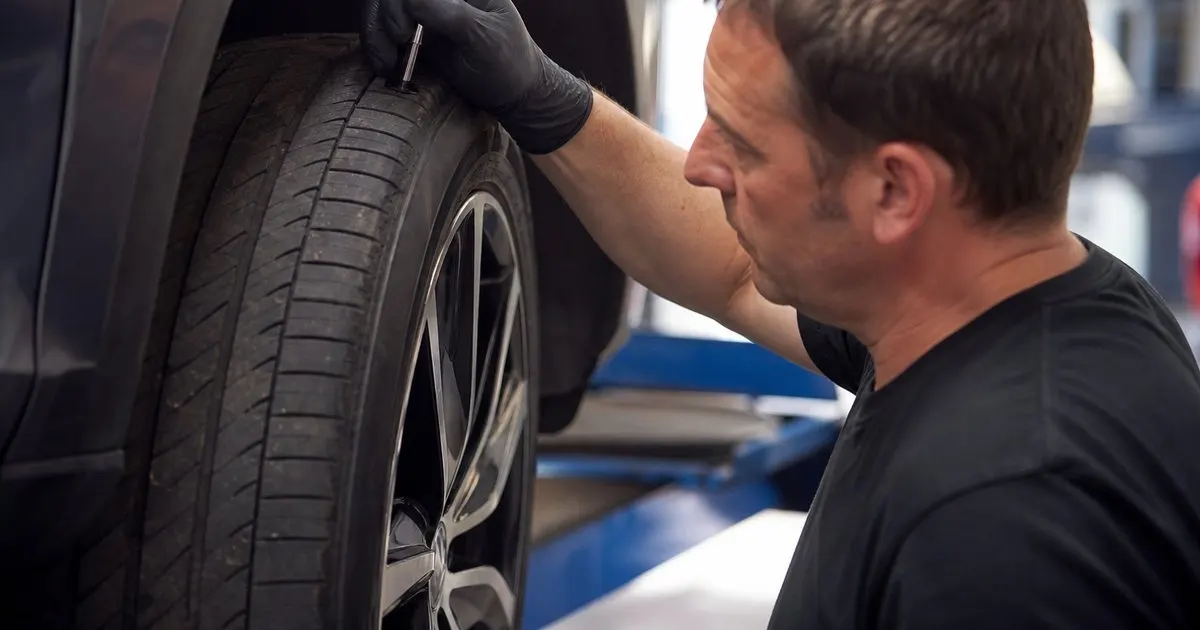
Why should a shop record tread depth history for every stored tire set?
Get the TireKeepr playbook
Practical guides on tire storage software, straight to your inbox as we publish them. No spam, unsubscribe any time.